For many South Africans, a home or other immovable property is one of the most valuable assets they will ever own.
It may also be one of the most meaningful.
Your property could be the family home where your children grew up, an investment property you purchased for your future, a holiday home, vacant land, or property that has been in your family for generations.
But have you considered what will happen to that property when you pass away?
Having a valid will is an important part of estate planning, but effective planning goes further than simply stating who should inherit your property. Your will, the way in which your property is owned, your financial obligations and the administration of your deceased estate all play a role in determining what ultimately happens to it.
As we move from Wills & Estates into Property Month at A de Bruyn Attorneys, we look at how these two areas of law are closely connected.
Your Property Forms Part of Your Deceased Estate
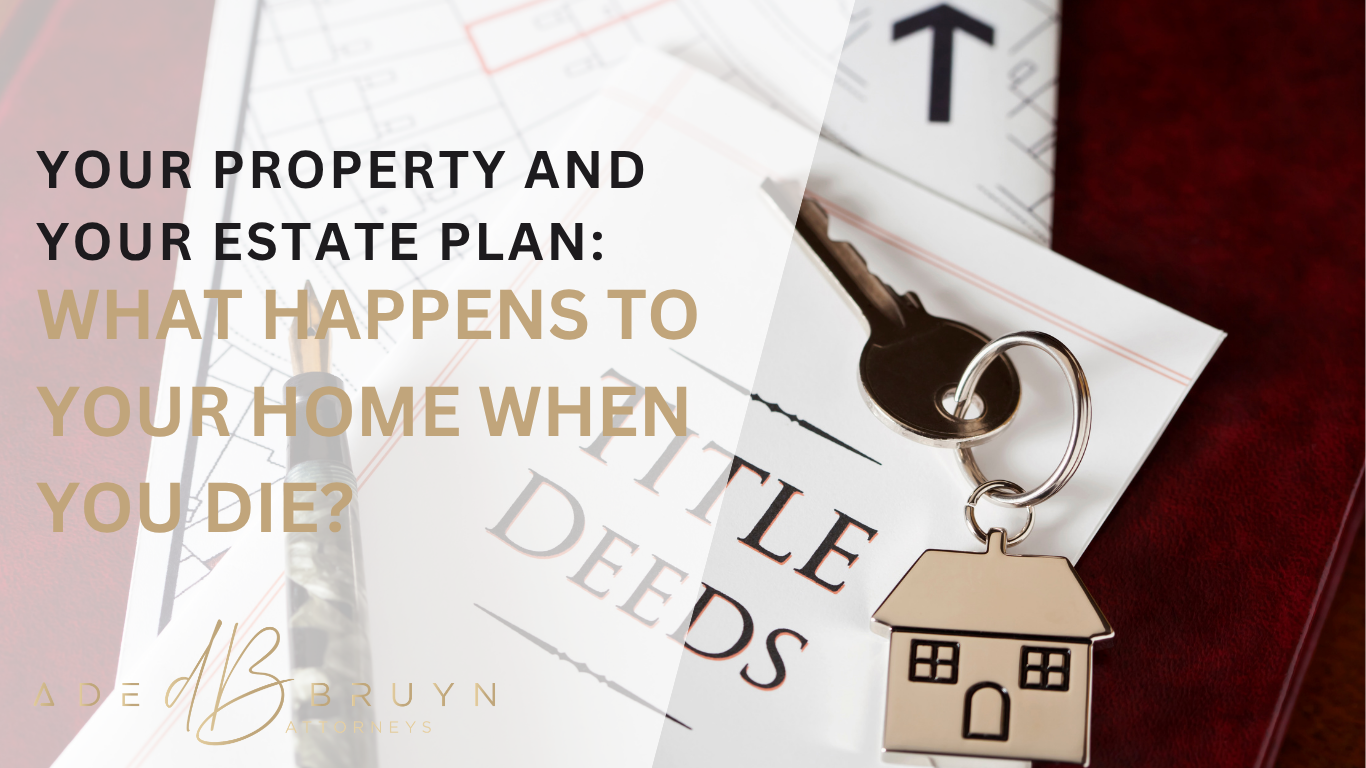
When a property owner passes away, property registered in their name does not automatically transfer to the person mentioned in their will.
Instead, the property generally forms part of the deceased estate and must be dealt with through the formal administration of that estate.
The estate must first be reported to the Master of the High Court, after which an executor is appointed or authorised to administer the estate.
The executor is responsible for dealing with the deceased person’s assets and liabilities in accordance with the applicable law and, where there is a valid will, the wishes expressed in that will.
This is why simply saying, “I left my house to my daughter in my will,” does not mean that she automatically becomes the registered owner when you pass away.
There is still a legal process that must take place.
What Does the Executor Do With the Property?
The executor plays an important role in determining what happens to immovable property forming part of a deceased estate.
Depending on the circumstances of the estate and the provisions of the will, the property may ultimately be:
- transferred to an heir or beneficiary;
- sold and the proceeds dealt with as part of the estate;
- dealt with according to the rules of intestate succession if there is no valid will; or
- sold if this is necessary for the proper administration of the estate, for example where funds are required to settle debts or estate expenses.
Before property can be transferred to an heir or sold to a purchaser, the executor must ensure that the necessary estate administration requirements have been followed.
This means that estate administration and conveyancing often work hand in hand.
What Happens If You Leave Your Property to Someone in Your Will?
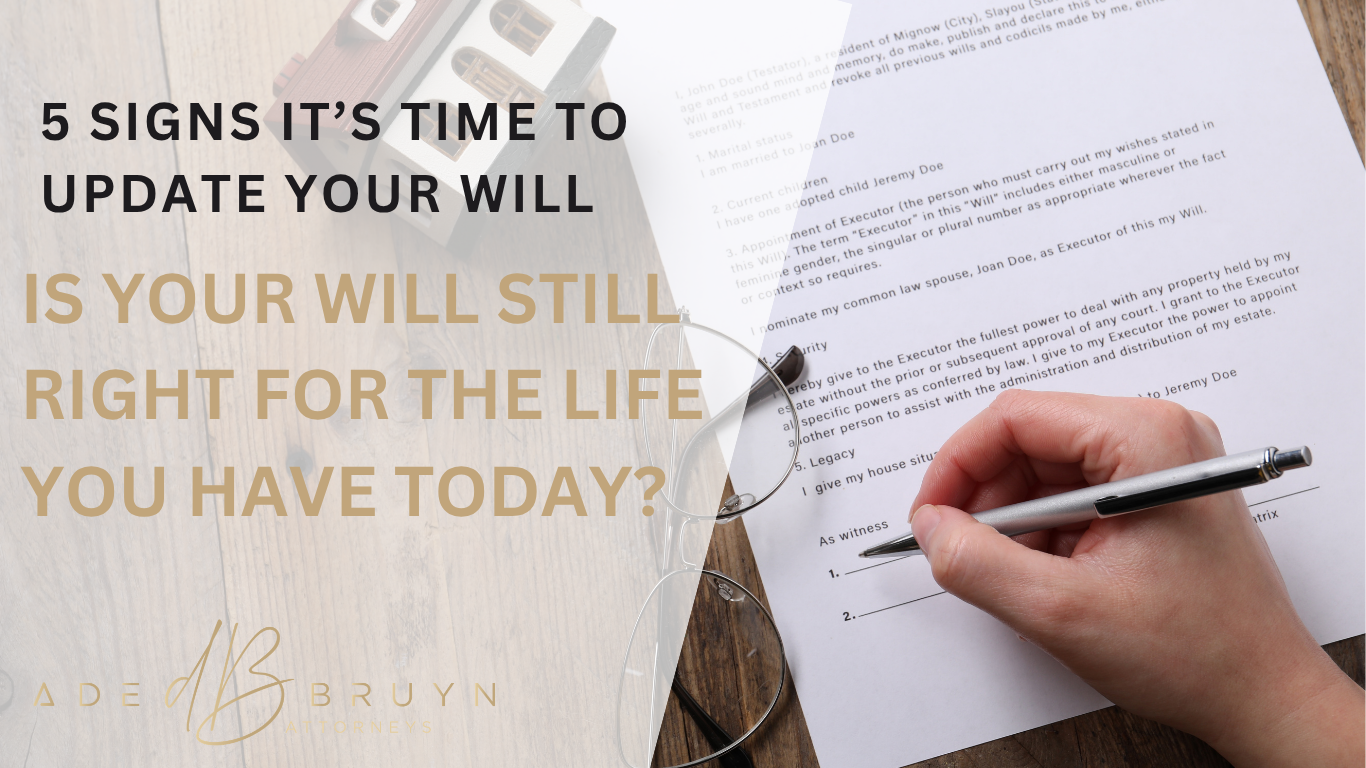
A will allows you to record how you would like your assets to be distributed after your death, subject to applicable law and the circumstances of your estate.
If you leave a particular property to a beneficiary, that provision provides important direction during the administration of your estate.
However, the beneficiary does not simply receive a new title deed immediately after your death.
Once the estate has progressed sufficiently and the necessary requirements have been met, a conveyancer will attend to the formal transfer of the property from the deceased estate to the beneficiary.
The transfer must then be registered in the Deeds Office.
Only once the required transfer has been registered will ownership formally pass.
What If the Property Still Has a Home Loan?
Owning a property does not necessarily mean that it is debt-free.
If there is an outstanding mortgage bond when the owner passes away, the debt does not simply disappear.
The outstanding liability must be dealt with as part of the administration of the deceased estate. How this is handled will depend on the circumstances of the estate, the available assets, the terms of the will, any relevant insurance and the requirements of the financial institution.
This is one of the reasons estate planning should consider more than just who gets the house.
You should also consider whether your estate will have sufficient liquidity to settle debts, taxes, administration expenses and other costs without placing unnecessary pressure on the assets you intended to leave to your beneficiaries.
Your Will and Your Property Should Work Together
A well-considered estate plan is not only about deciding who should inherit.
It is about considering how your assets are owned, what liabilities are attached to them, what will happen during the administration of your estate and whether your wishes can be carried out as practically as possible.
Your property may represent years of work, financial investment and memories.
Making sure that your will and your property planning work together can help provide greater clarity for both you and the people who will eventually have to administer your estate.
Plan Today for the Property You Leave Tomorrow
Whether you already own property, are purchasing a new home, have an investment portfolio or are reviewing your existing will, it is worth considering your property as part of your wider estate plan.
At A de Bruyn Attorneys, our team can assist with Wills & Estates, estate planning, conveyancing and property law, helping you consider the legal journey of your property both during your lifetime and beyond.
Speak to our team about your will, estate and property planning.